CHICAGO — For generations, the self-service laundry has been an essential but rarely celebrated storefront in any neighborhood. Customers come, load their machines, sit, wait, fold, and leave. But around the country, a growing number of laundromat owners are demonstrating that their stores can be much more than transactional spaces.
They can be gathering places, cultural touchpoints, even engines for local engagement, goodwill and, ultimately, growth.
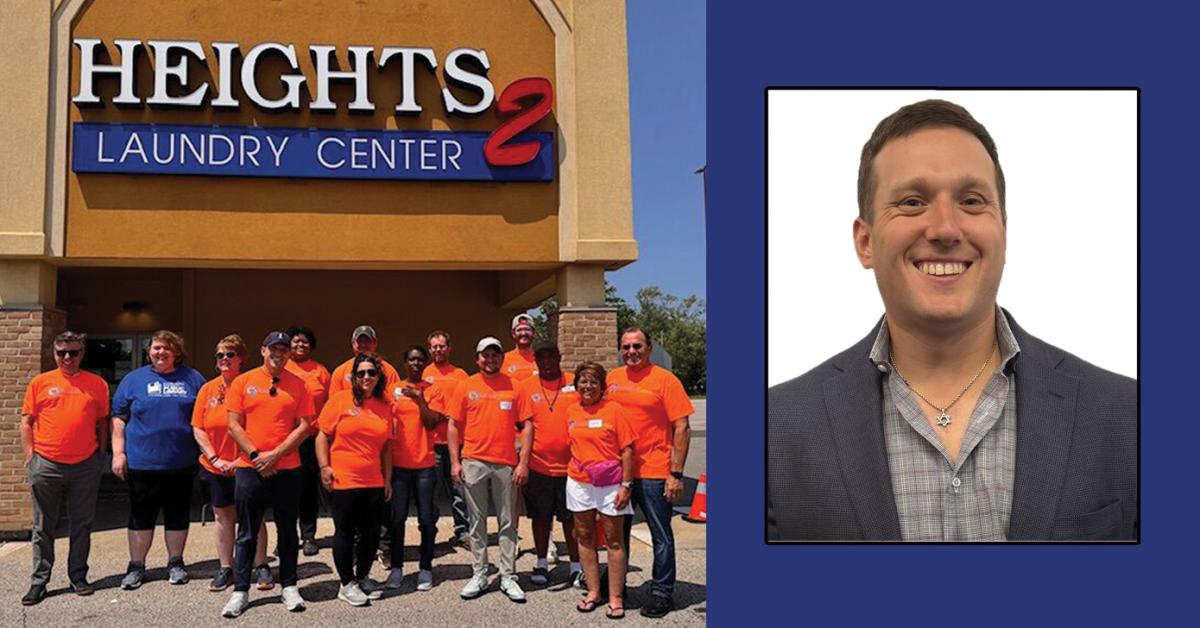
Rex Anderson, of The Heights Laundry Centers in Ohio and Michigan, and Donnell and Tahra Wright, of Bubbles & Baskets in Kenilworth, New Jersey, have embraced community event hosting as a defining part of their business models.
While their approaches differ, their experiences point to a similar conclusion: well-executed community events don’t just make people feel welcome. They can reshape how customers view the laundromat experience, deepen loyalty, and contribute meaningfully to the bottom line.
THE BUSINESS IMPACT: FROM VISIBILITY TO REVENUE GROWTH
Both operators describe meaningful improvements in customer traffic, reputation, and financial performance following their events.
For Anderson, the most immediate benefit is goodwill. Customers who attend a free laundry day or educational event often leave with a different perception of the store — and the brand. They bring friends, post online, and share their experiences with neighbors.
At Bubbles & Baskets, events have elevated the laundromat’s profile substantially. The Wrights report that customers now refer to the business as “the hip place where the cool kids hang out.” Community members tag one another on social media, encouraging friends to try the laundromat because it offers a “more fun” experience than others nearby.
Events also deepen connections with local businesses. Anderson has coordinated with city council members and science educators. The Wrights frequently collaborate with restaurants, bakeries, artists, musicians, and authors — turning their laundromat into a neighborhood stage.
“These events allow folks to see that we’re willing to do stuff in the community,” says Donnell Wright. That openness has prompted people to approach them about hosting additional activities in the laundromat, some of which the couple have embraced.
The financial impact can be significant. After The Heights Laundry Center 3 hosted a free laundry day in July 2025, Anderson says revenue increased approximately 10% compared to the same month the previous year. The team gave away an estimated 3,000 pounds of free laundry, but the exposure convinced many visitors to return as regular customers.
“Just getting them in the door,” he says, “and letting them see that it’s a much better store than one up the street” helped secure added market share.
At Bubbles & Baskets, the Wrights believe their event program has contributed directly to revenue growth, in part by attracting customers from outside their immediate service area. The uniqueness of their events — and the consistent transformation of the laundromat — helps shape a compelling brand narrative that translates into business.
LESSONS LEARNED (AND WHAT THEY’D DO DIFFERENTLY)
Experience has taught these owners what works — and what doesn’t.
Anderson stresses the importance of scheduling activities on slow days and keeping operations simple by avoiding major alterations to the facility.
The Wrights, who invest much more time in physical setup, are evaluating ways to reduce labor by shifting from wall-mounted shelving to folding tables with integrated shelves. They’ve also refined their approach to food quantities and rentals — one of the biggest early-stage challenges.
Both agree that events get easier with repetition.
If there’s a single message that these operators want to share with peers, it’s this: Lead with genuine service. Revenue and attention will follow.
“Bringing people in the door and increasing revenue is great but if you approach it with the mindset that you’re doing something positive for the community — and put your community first — then that will pay dividends on the backside,” Anderson says.
The Wrights echo this strongly: “Seek to serve,” Donnell says, quoting a mentor. Events must come from the heart, not from a marketing plan. Tahra notes that although their events have become a powerful marketing tool, “that was never the intention.” The goal was always service — and that authenticity resonates with the public.
Miss Part 1? You can read it HERE.
Have a question or comment? E-mail our editor Bruce Beggs at [email protected].