
OSHKOSH, Wis. — There are industry naysayers who don’t believe small-town and rural laundries can be successful, but I know differently. Not only do rural laundries realize many perks, including lower real estate/rent and utility costs, they also enjoy support from their local municipalities so licensing is less costly and simpler to obtain. Even so, careful consideration of equipment mix, services and customer convenience are crucial for solidifying success.
Analyze and Appeal to Your Demographics — For a small-town laundry, it’s important to draw from your entire demographic to maximize revenue potential. Start with a call to your equipment distributor that understands your local market and will offer insight into your demographics and possible services.
Your distributor will likely run a demographic report detailing items like your area’s income level, gender, race, education level, and homeownership. Once you understand your demographic profile, it’s easier to develop services to appeal to those markets. Keep in mind, the report won’t reveal everything. Be sure to consider local businesses — farms, vacation rentals, salons — and how you might serve them.
Finally, design your services (and equipment mix) to meet the needs of the markets you identify. Consider drop-off dry cleaning by contracting with an established dry cleaner; drop-off wash/dry/fold (WDF) to appeal to families, professionals and businesses; and pickup and delivery for the ultimate in service for residential and commercial accounts. An added bonus? Pickup and delivery can also extend your laundry’s reach and revenue potential.
Point-of-Sale System (POS) — If you go after WDF and full-service business, invest in a quality POS system for managing that business. A good POS manages WDF from beginning to end; allows customers to schedule, track and monitor orders online; allows owners to view and print revenue reports; and sometimes includes a website or marketing assistance. Moreover, many are available for a monthly fee, which makes it easier to budget.
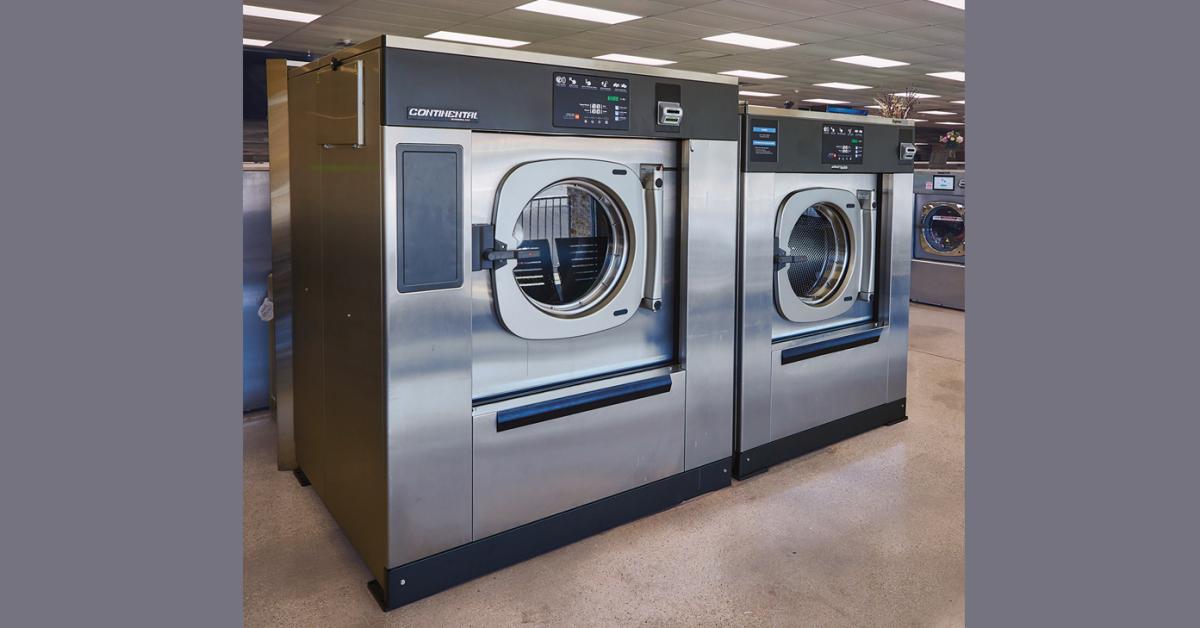
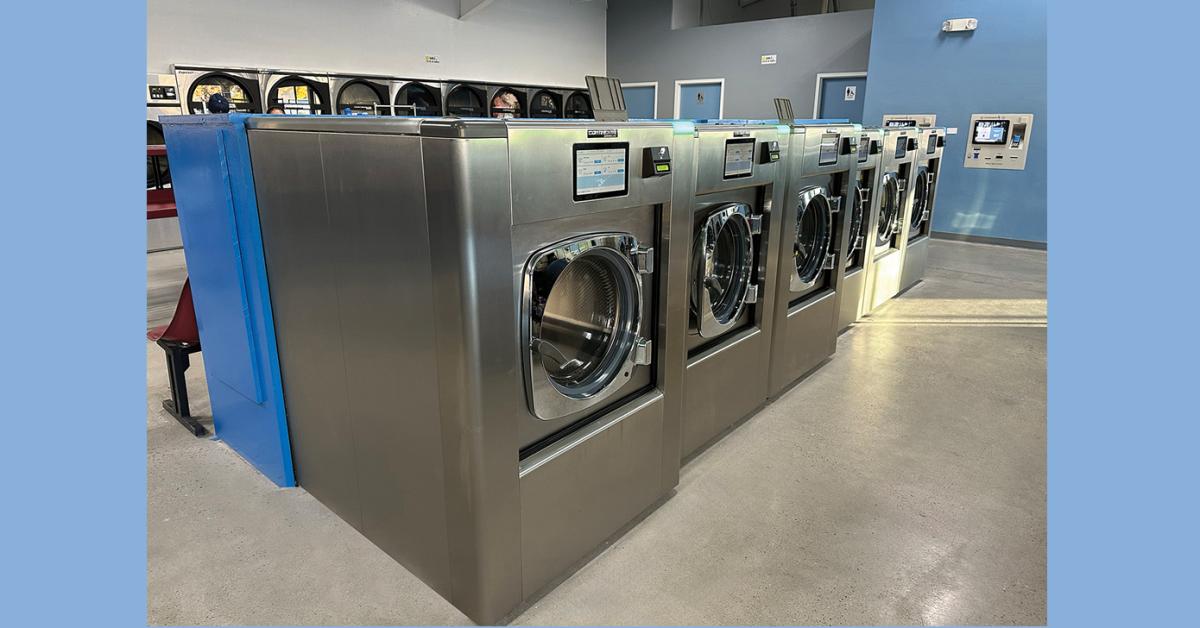
Consider High-Speed Washers with Hybrid Controls — Look for two qualifiers when choosing equipment, especially when offering multiple services. The first is high-speed extract (300-450 G-force) for a quicker wash and lower utility costs. Remember, higher extract speeds correlate to greater moisture removal. Loads with less moisture dry sooner, using less natural gas. This can get customers in and out of your laundry in as little as 60 minutes or less.
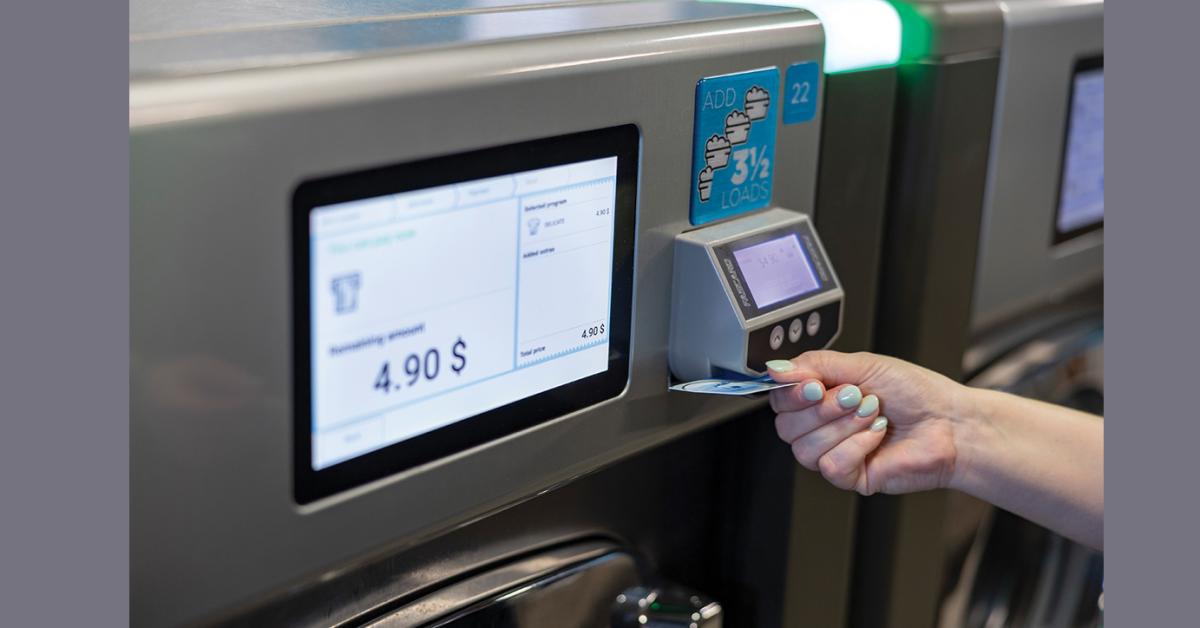
Second is a hybrid control. There are washers on the market that switch from customer-facing washing programs to more sophisticated programs used for WDF and commercial account orders. Keep in mind that most vended washers don’t offer commercial programming that allows for higher water-temperature options, automatic chemical injection, delayed soaks and breaks between baths. But these features are a must for processing commercial account laundry!
Go Big — Install a few large-capacity washers and dryers to handle big, bulky loads. Consider investing in 90- and/or 130-pound washers with single-pocket dryers that complement. Why? Large-capacity washers appeal to homeowners and renters wanting to clean everything from large loads to sleeping bags, comforters, blankets and rugs. Placing them near the front windows of your store will attract anyone without a big machine at home. Moreover, they can draw customers from as far as 50 miles away.
Ozone Sanitization — Many store owners — including those with small-town laundries — see dramatic increases in business from adding ozone sanitization. Ozone injected into the wash cycle delivers natural sanitization and works to eliminate nearly all viruses, molds and bacteria from laundry. It’s also a differentiator if you offer WDF service. Add it to an entire laundry or just to a couple machines for a strong revenue impact.
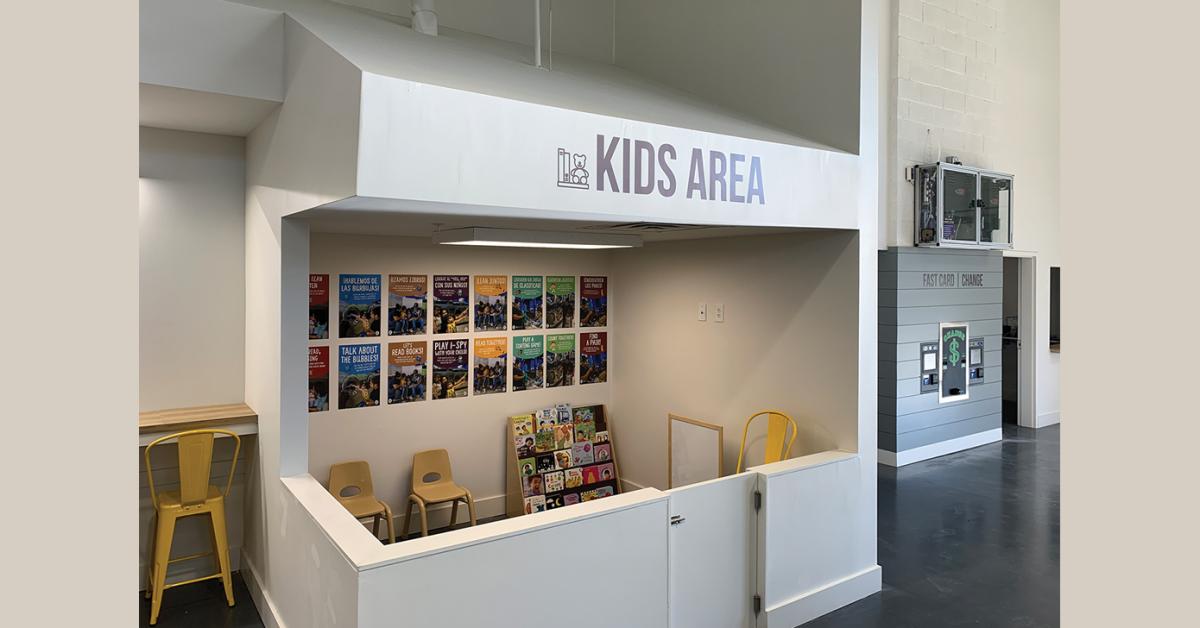
Invest in Your Community — Consider adding a Family Read, Play & Learn Space, like those offered by LaundryCares, in your laundry to help improve childhood literacy. While you might not get immediate rewards, your customers will thank you. They come in a variety of sizes, can be ordered as kits to fit your needs and budget, and feature literacy-rich materials and free books for children. To take these services to the next level, coordinate with local librarians to host scheduled “story times” at your facility.
Enjoy the Experience — Many laundry owners say there’s nothing more rewarding than serving their community and customers. For owners of small-town and rural laundries, this seems especially true. While it’s important to make a profit, it’s equally satisfying to provide needed laundry services to the community you love. So, if you’re looking to develop a laundry in a town without one, enjoy the experience and know you’re making a difference along the way.
Have a question or comment? E-mail our editor Bruce Beggs at [email protected].