
SUN CITY WEST, Ariz. — You have your eye on a store across town that you’d like to buy, but what don’t you know about it? There are many questions to be answered before you can get serious about making an offer or signing a deal.
As my experiences were based on leased stores, I’m focusing on that particular arrangement here. In Part 1, I shared points to steer an investor in the right direction, plus discussed how time and talents play their parts in store ownership. Let’s continue:
THE LEASE
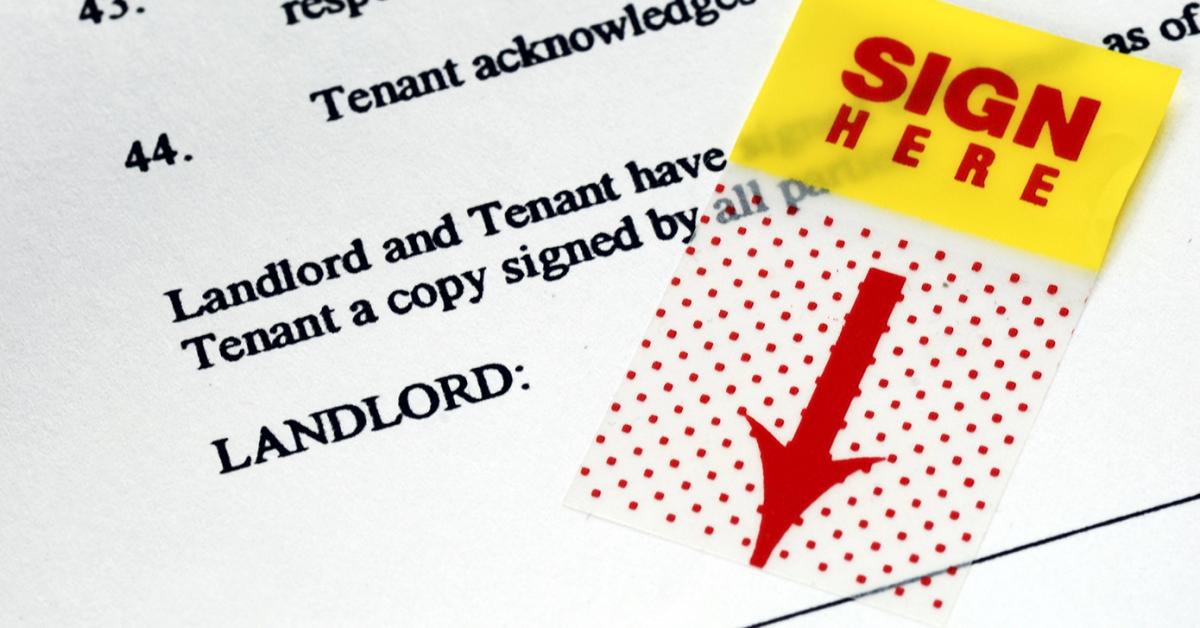
Leases can be full of traps for you. Your lawyer should help you negotiate the lease, or at least advise you about it.
How much time is left on the current lease? A short term like five years (which is becoming popular with New York City landlords) ruins the deal. Look for 10 years at a bare minimum, but preferably more like 20. The landlord may require five- or 10-year options to do that. Laundromats require a big investment, so you’ll need the years to earn your investment back.
What’s the monthly rent, and how much are annual increases? Look for clauses about utilities, maintenance responsibilities, and renewal options. Many leases require you to pay a percentage of the building’s property taxes.
If the landlord is difficult or the rent is poised to skyrocket, it could erode your profits. Get a copy of the lease and have your lawyer review it before committing.
Another trick that landlords have been known to use is advertising the square footage by the exterior dimensions (useless to you) instead of the interior dimensions of actual usable space. If there is a basement, make sure the lease entitles you to use it.
THE SELLER
Ask yourself this: Why would a seller want to sell a perfectly good, money-making laundromat?
Look for how long they have owned the mat. Has it been sold and resold in the past few years? If so, why? Why are they selling it now?
Sometimes the seller will get wind of a new competitor about to go up. If the price is too good to be true, they want all cash, and they are rushing you, consider that possibility.
A more attractive seller is someone who has owned the mat for many years and is old enough to retire. Even so, they could be selling because a big, new mat has devastated their business.
I always liked buying rundown dogs cheaply and fixing them up dramatically, both inside and out. In some cases, I didn’t even care how much the mat was losing or how much the seller may have been lying to me. But I was experienced, so be careful with this approach.
Are they willing to extend promissory notes to you? That’s a sign of confidence that it’s a good business and the seller thinks you’re a good buyer. Your lawyer can set this up for you, if you need it.
You’ll need to verify the numbers that the seller is giving you. In many cases — but not all — sellers will tend to exaggerate the income and understate the expenses. Some will outright lie, so you need to verify.
You can get a rough idea from utility bills. A common number is 20-25%, with some mats achieving as low as 18%. However, there are lots of things that can throw those numbers way off. They could simply turn a sink faucet on for a few months before the sale.
Or less sinister, the mat most likely has a few leaks. After a while, washers can and often do leak and waste water.
Some mat veterans say the gas bill is more accurate.
The best way to verify income is for you or someone you trust to actually sit in the mat for two weeks and log every transaction that comes in. There are lots of tricks that sellers use to disguise their info, but sitting in the store from opening to closing is the best way to get a handle on the operation and its income. It’s work, but can make a big difference for you to make sure you get what you’re paying for.
If a seller does not agree to you doing this, it’s a major red flag. And if you don’t want to put in that brief effort, then maybe the laundry business isn’t for you.
In Paul’s conclusion on Tuesday: Site/store characteristics and valuation
Have a question or comment? E-mail our editor Bruce Beggs at [email protected].