
CHICAGO — Running a laundromat can’t be as “easy” as potential investors may believe it is, can it?
The laundromat business has been marketed as a near-passive investment—one where machines do the work, cash flows in, and owners can sit back and collect profits with little involvement.
First-time investors can be drawn to the promise of being an “absentee owner,” imagining a steady stream of income without the headaches of daily operations. But reality often tells a different story. While laundromats can be profitable and relatively low-maintenance, they are far from being “set it and forget it.”
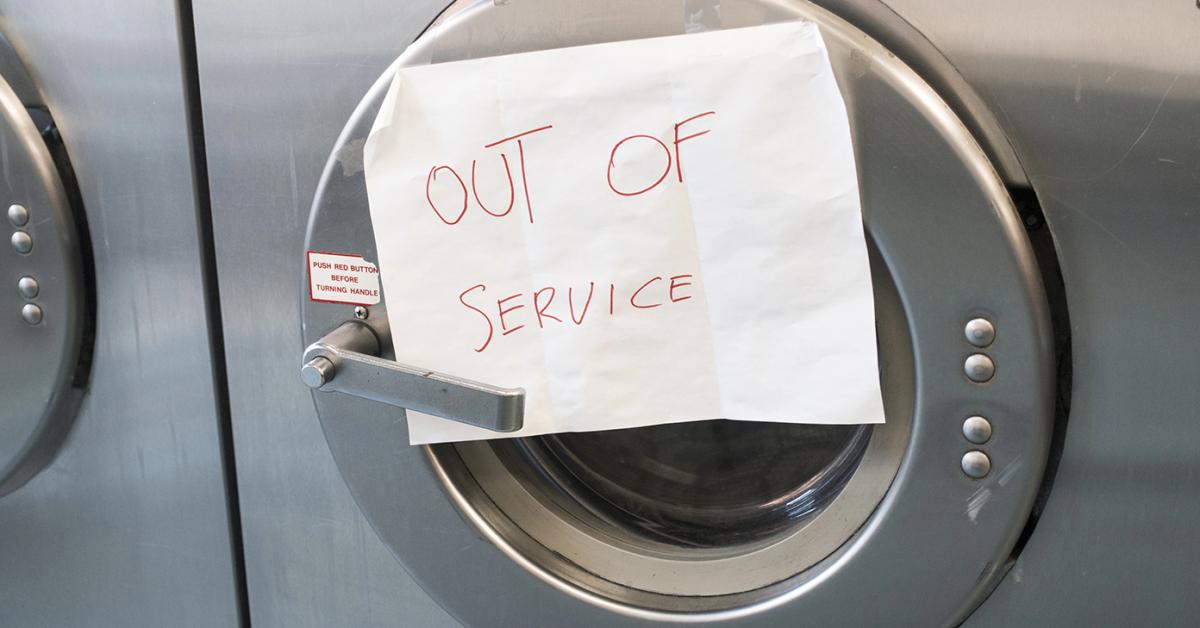
Potentially, there are machine breakdowns, maintenance issues, theft, vandalism and customer complaints to deal with. It’s important to not underestimate the hands-on effort required of even the most basic, unattended self-service laundry.
American Coin-Op asked a small group of current and former store owners about their ownership experiences and if absentee ownership was part of their plan at the outset.
Q: In all the time you’ve been a laundry owner, which aspects of your business turned out to be more time-consuming or to require greater resources than you originally thought?
“Nothing is really time-consuming if you find you love the laundromat business. It’s certainly not for everyone,” says Californian Larry Larsen, whose 50 years of experience includes owning and operating more than 50 laundromats. “Once the basics of laundromat operation are mastered, the additional time spent is usually in areas of personal choice. My preference was in conversations with customers, promotions, and keeping an eye out for areas that needed attention.
“Once you’ve been operating for a while, it’s easy to overlook a few machines being out of order, a soap dish that hasn’t been properly cleaned, entry rugs that need to be washed, and those noisy bathroom fans. Familiarity can cause you to overlook the obvious. Keep in mind that although you have repeat customers, some customers are entering your facility for the first time and you need to make a great first impression.”
“One item that cost a lot of time was equipment maintenance,” says James Radovic, who owns the Jupiter (Fla.) Laundry. “You have 100-plus pieces of equipment and something is always out of service. So you spend time figuring out the problem, then trying to fix what you can. Some issues are so difficult to fix, you need competent service techs to do the work.”
“My laundry manager went from doing everything at seven laundries to stocking vending machines, and keeping the locations attended,” says Joe Jepsen, who owns several O-Town Coin Laundries in and around Ogden and Salt Lake City, Utah. “Finding, keeping, and continually training laundry attendants is, by far, the biggest job.”
Q: What adjustments did you make once you realized the business was different than what you expected?
“Eventually, we realized it was a mistake to not be attended stores,” Jepsen says. “So, we attended them 8 to 12 hours a day.”
“The first surprise I overcame is that repair folks were making much more on the parts they used in repairing machines if they came off their truck,” says Larsen. “Much better to shop for the half-dozen parts that are frequently replaced on your models and buy them online at the lowest possible prices. Have these in your stock so you’re not paying a premium.
“Also, I realized the difference between your store being ‘super clean’ and ‘relatively clean’ depended on the marketplace of your customer base. You can chase away customers by your staff being too aggressive in their cleaning in certain neighborhoods. This was a surprise to me.
“Finally, I marketed to the children of my customers by always having a basket of Tootsie Rolls and Tootsie Roll Pops available for them (and their moms).”
Q: If you could give one piece of advice to a new laundromat investor who assumes the business is “easy” and “low-maintenance,” what would it be?
“Laundromats are a wonderful business, but owning a laundromat is no different than tying an anchor to your leg,” Jepsen warns. “They are incredibly high-maintenance and highly involved. I have upper management who are quite capable, which allows me to not be as involved. But it took a while and a lot of stores to make that happen … and it’s still an anchor.”
“If you expect to have an easy job as owner, get the best people you can afford and make sure they have the training needed to operate your business the way you want,” Radovic says.
“Always pay attention to the fact you are operating a business. If you are handling and making a lot of money running a successful laundromat, you need to be careful,” Larsen says. “The mistake about 10% of new owners make is not following the simple rules of operation: collect the money, pay the bills, then spend what is left over. If you start to spend the money too early, it can get away from you and you could find yourself hoping there’s enough left over to pay the bills.
“And learn to do some of the repairs, even if you don’t intend to do them in the future. That way, you can accurately calculate how much repairs should cost. Nothing gathers money without effort or knowledge in any part of the world I’ve seen.”
Miss Part 1? You read it HERE.
Have a question or comment? E-mail our editor Bruce Beggs at [email protected].