CHICAGO — In self-service laundries, efficiency and convenience drive customer satisfaction — but safety is what keeps the doors open.
One of the most significant, yet often overlooked, hazards in laundromats is the risk of fire. Dryers run for hours. Lint collects in hidden spaces. A variety of customer-handled items enters machines daily. It’s clear that laundromats face a unique set of fire-related vulnerabilities.
For owners and operators like you, understanding and addressing these risks is not just best practice — it’s essential for business continuity and public safety.
This article outlines the key principles and preventive measures that should form the backbone of your laundry’s fire safety strategy.
IDENTIFYING THE HIDDEN HAZARDS
Before you can implement fire prevention measures, you must understand where risks originate. In a laundromat setting, the most common causes of fire include:
- Lint buildup, especially in dryer vents and ductwork, which is highly flammable.
- Overheated equipment from constant use or inadequate ventilation.
- Electrical faults, including aging wiring or overloaded circuits.
- Spontaneous combustion of laundered items containing oils or chemicals.
- Improper storage of flammable cleaning supplies or solvents.
Once identified, you can systematically address these hazards through cleaning protocols, equipment maintenance and smart design.
CLEANING AND MAINTENANCE: FIRST LINE OF DEFENSE
Fire safety starts with cleanliness. Lint is the No. 1 fire hazard in laundromats, and it collects faster than you probably realize. Establish the following cleaning and maintenance routines:
- Clean dryer lint traps daily, or more often if possible.
- Schedule professional duct and vent cleanings every three to six months.
- Vacuum around and behind machines weekly to prevent dust and lint from accumulating near heat sources.
- Inspect and maintain machines regularly, checking for worn belts, overheating signs or restricted airflow.
Make these protocols part of your daily opening and closing checklist, and document each task for compliance purposes.
EQUIP YOUR SPACE WITH PROPER FIRE PROTECTION
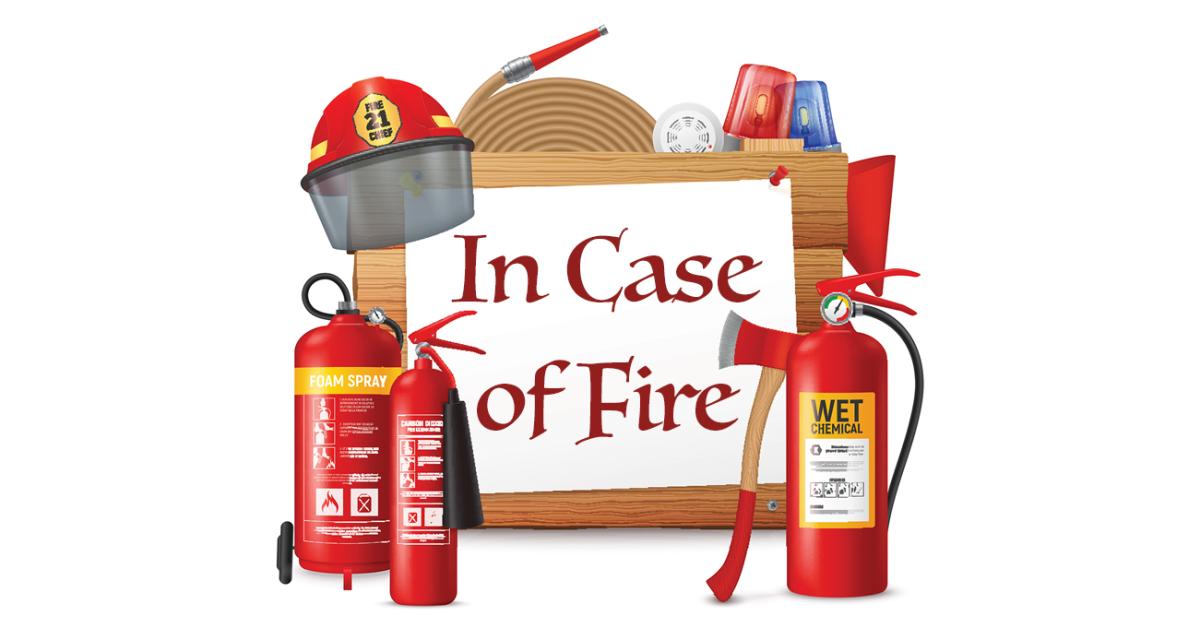
Investing in the right fire safety equipment — and keeping it functional — is critical:
- Install smoke detectors in dryer areas, storage rooms and mechanical spaces. Test monthly and change batteries regularly.
- ABC-rated fire extinguishers are required. Ensure that yours are wall-mounted, visible, and within reach.
- Sprinkler systems, while not always required, can dramatically reduce damage should your laundromat have an incident.
- Emergency exit lighting and signage must comply with local codes and be checked monthly.
Utilize the services of a licensed professional to perform annual fire equipment inspections so that your store remains compliant and your preparedness is ensured.
In Thursday’s conclusion: Staff training and customer awareness; planning for an emergency before it happens
Have a question or comment? E-mail our editor Bruce Beggs at [email protected].